Flat Roof Replacements - Questions
Residential Flat Roof Replacement: Professional Roof Installation And Repair Work Providers To Secure Your Home From The Components
Exploring the Spectrum of Roofing Materials
When it concerns selecting roofing materials, the options stretch far beyond the familiar asphalt shingles dotting rural skylines. Have you ever stopped briefly to question why some roofing systems shine under sunlight while others use a rustic appeal? The answer lies in the product's nature, toughness, and climate compatibility.
Typical Roofing Products
- Asphalt Shingles: The crowd favorite. Budget friendly, versatile, and fairly simple to install, they suit a range of architectural styles.
- Metal Roof: Streamlined and modern, metal roofings master shedding snow and rain, making them ideal for severe weather.
- Clay and Concrete Tiles: These heavyweights include a Mediterranean style, providing durability and fire resistance, but at the cost of extra structural assistance.
- Wood Shingles and Shakes: They bring a natural, ageless look, however need more maintenance and are more susceptible to fire.
- Slate: Elegant and durable, slate roofing systems typically last over a century, though their weight needs accurate setup.
Product Residence at a Glimpse
| Material | Sturdiness | Weight | Climate Suitability |
|---|---|---|---|
| Asphalt Shingles | 15-30 years | Light | Temperate |
| Metal | 40-70 years | Light to Medium | All climates |
| Clay/Concrete Tiles | 50+ years | Heavy | Hot, dry |
| Wood Shingles | 20-40 years | Medium | Dry climates |
| Slate | 75-150 years | Really Heavy | Cold, wet |
Picking What's Right for You
Picture standing on the roof of your home, feeling the texture below your feet. Flat Roofing Installers. Is it the smooth coolness of metal or the rugged appeal of slate? Every product has a tale, formed by its strength and aesthetic appeal. Do you focus on durability, or is a fast, affordable repair more your style? Think about the environment initially-- after all, a roofing system is your fortress against the unforeseeable whims of weather condition
In my experience, mixing usefulness with personal taste often yields the very best outcomes. A roofing is more than just shelter; it's a declaration, a guardian wrapped in layers of more info innovation and tradition.
Mastering the Art of Roofing Setup Techniques
Have you ever observed how a roofing appears to breathe with your house underneath it? The secret lies in the installation techniques, a craft typically underestimated yet important for longevity and performance. When the wind groans or the rain drums non-stop, it's the precision of your roofing system setup that stands between comfort and disaster.
The Subtle Dance of Underlayment and Flashing
Underlayment isn't just a layer below shingles; it's the unrecognized hero in wetness management. Numerous believe an easy felt paper will do, but artificial underlayment offers superior water resistance and tear strength. Flashing, on the other hand, functions as the guardian around chimneys and valleys. Missing out on a millimeter in alignment can result in water invasion-- a costly slip-up.
Key Methods to Nail Down
- Starter Strip Setup: Start with precision-- lay the starter strip carefully to avoid shingle blow-offs.
- Nailing Patterns: Use a staggered nailing pattern, which distributes stress and prevents shingles from buckling.
- Ventilation Positioning: Appropriate ridge and soffit ventilation prevents heat accumulation, extending the roofing system's lifespan.
- Ice and Water Shield: Install along eaves and valleys to fight freeze-thaw cycles that create chaos in chillier climates.
Expert Tips for Flawless Execution
- Constantly determine twice and cut when; even a sliver off can mess up the positioning.
- Use galvanized or stainless steel nails to prevent rust spots and rust.
- Think about the wind rating of your shingles and secure accordingly-- basic nails won't hold under hurricane-force gusts.
Remember, the roof is more than simply a guard-- it's a complex system that requires a meticulous approach. Ever wondered why some roofing systems still leakage after a "professional" job? Frequently, it's the undetected details-- the subtle spaces in flashing or lost nails-- that unwind the entire system. Before you start pounding nails, ask yourself: have I respected the nuances of each roof layer!.
?. !? Distinguishing Problem Before It Skyrockets
Have you ever discovered a small shingle huddling after a storm and idea, "It'll be great"? That little ripple typically dances alone before welcoming leaks, mold, or even worse. Disregarding these early indications is like watching paint peel on a masterpiece-- eventually, the canvas surrenders. Regular roofing system assessments can capture these whispers of decay before they shout.
Expert Methods to Preserve Your Roofing's Lifespan
Seasonal check-ups aren't simply routine; they are the lifeline of sturdiness. Here's how to keep your roof battle-ready:
- Clear debris without delay-- leaves and twigs trap moisture, speeding up rot.
- Inspect flashing around chimneys and vents; a loose seal is a quiet invite for water invasion.
- Address moss development quickly; its spores dig into granules, breaking down protective layers.
- Ensure gutters are free-flowing; backed-up water can permeate under shingles and cause structural harm.
When Repair Work Turns Into Remediation
Not every leakage screams for an overall overhaul. Often, a subtle patch can outsmart an entire roofing system replacement. Nevertheless, beware of the "band-aid effect"-- quick fixes that mask signs but don't recover the core.
Remember the story of the old farmhouse roof that was covered repeatedly? Ultimately, the house owner found out the hard method: piecemeal repair work extended life briefly but intensified expenses throughout the years. The ideal call is balancing immediate repairs with a long-term vision.
Quick Examine Table: Typical Roofing System Issues and Pro Tips
| Concern | Symptom | Specialist Suggestion |
|---|---|---|
| Shingle Damage | Cracks, curling, granule loss | Replace in clusters, not just singles, to make sure consistent integrity |
| Flashing Issues | Water stains around vents | Usage high-quality sealants and examine after heavy winds |
| Moss & & Algae | Green patches, slippery surfaces | Apply zinc or copper strips near ridges to prevent growth |
| Rain gutter Obstruction | Overruning water, drooping gutters | Clean a minimum of twice annual, more if surrounded by trees |
Hidden Ripples: The Environmental Footprint of Roofing
Ever stopped briefly to think about how a modest roof can dictate the rhythm of the environment? The materials selected for roofing don't just protect homes; they cast long shadows on our planet's health. Asphalt shingles, for example, while affordable and popular, leach hydrocarbons that continue in soil and waterways. Could your roof be silently tipping the balance in your local community?
Recycling old roof materials is more than a buzzword-- it's a necessity. If every house owner tossed old shingles into land fills, the cumulative impact would be catastrophic. Instead, ingenious procedures change these remnants into paving products or insulation. Such practices shrink the carbon footprint drastically, proving that waste isn't always waste.
Eco-Friendly Roofing Techniques
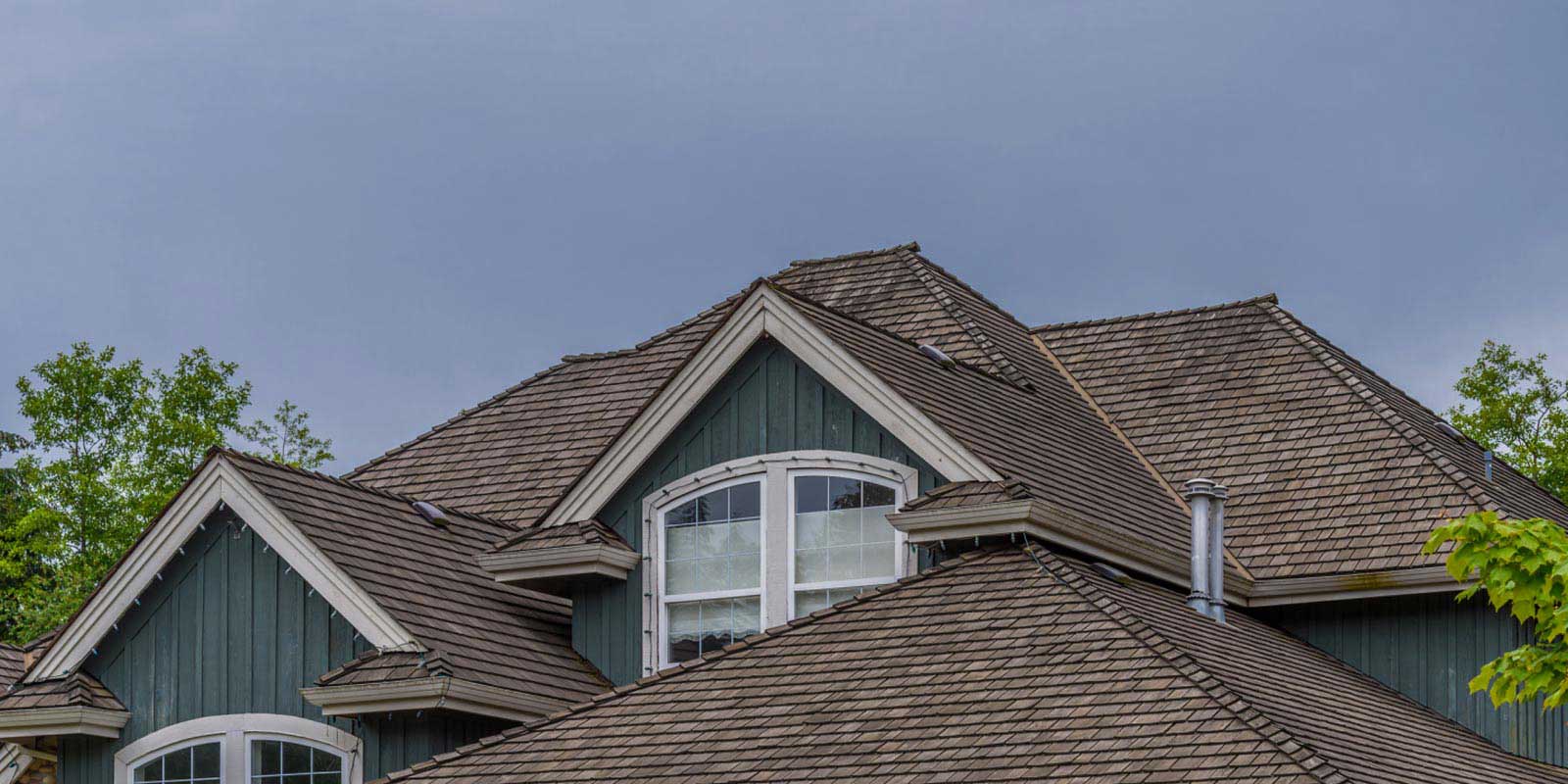
- Cool roofing systems: Show solar radiation, lowering heat absorption and cutting energy consumption for cooling.
- Green roofing systems: Vegetative layers that not only insulate but likewise take in rainwater, lowering overflow.
- Metal roofing: Durable and frequently made from recycled material, it can be completely recycled at end-of-life.
Yet, even the best intents can stumble. The production of metal roof demands substantial energy upfront-- raising the question: do we weigh initial effect against long-term advantages? In my years, I have actually seen house owners hesitate, caught between instant cost and future gain.
Expert Tips to Reduce Environmental Pressure
- Pick in your area sourced products to slash transportation emissions.
- Choose light-colored or reflective surface areas to fight the urban heat island effect.
- Include proper ventilation to extend roof lifespan and minimize energy usage.
- Consider modular roof components that simplify repair work and minimize waste.
Believe about it: a roofing is more than simply shelter. It's an active participant in the energy cycle, a guardian versus waste, and a quiet influencer on the environment. Do your choices echo sustainability, or do they enhance ecological stress?